Home
Instituto
Institute
Restaurantes
Restaurants
Novidades
News
Territórios
Territories
Educação
Education
Produtos
Products
Conecte-se
Contact
EN
Navegue por categoria
Browse by category
Cardápios
Menus
Estabelecimentos
Establishments
Bairros
Neighborhoods
Municípios
Municipalities
Influências
Influences
Identidade carioca (em construção)
Carioca identity (under construction)
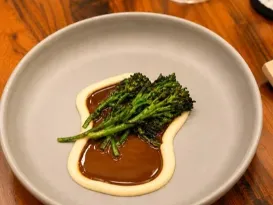
Porque muda todo o cardápio a cada sexta-feira, guiado pelos melhores ingredientes da semana. Na cozinha singular de Ana Paula Souza e Victor Lima, o jantar é construído sem pressa em encontros, conversas e trocas de ideias entre os chefs e a equipe.
In the distinctive kitchen of Ana Paula Souza and Victor Lima, dinner unfolds unhurriedly, through encounters, conversations, and exchanges of ideas between the chefs and their team. Every evening is unique, served at the impressive wooden table in the dining room, surrounded by paintings and works
continuar lendo
read more
Tradição da cozinha brasileira, o cupim é a saliência visível no dorso do boi nelore, que pede muito tempo de forno baixo e embarca como poucos em nossa paixão pelos assados, saborosa herança europeia.
A tradition of Brazilian cuisine, cupim is the visible hump on the back of the Nelore steer, which calls for a long, slow roast in a low oven and embodies, like few other dishes, our passion for roasts — a flavorful European heritage.
Pipoca é nome tupi. Muito antes da chegada dos colonizadores, a “pele que estoura” já era parte da dieta e do vocabulário indígena, aqui no Rio de Janeiro.
Pipoca (popcorn): our favorite indigenous word. Long before the arrival of the colonizers, “the skin that bursts” was already part of the Tupi diet and vocabulary here in Rio de Janeiro.
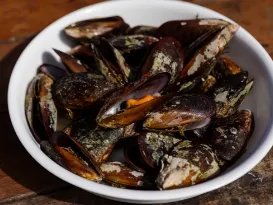
“Muito gostoso, e do tamanho de uma fava; encerra-se entre duas cascas ou conchas, negras e azuladas”. O trecho do Cozinheiro Imperial, documento de 1887, detalha receitas de mexilhões no Império, e fala justamente dele: o perna perna.
“Very tasty, and the size of a fava bean; it encloses itself between two shells, black and blue-tinged.” The passage from O Cozinheiro Imperial, a document from 1887, details mussel recipes from the Empire era, and speaks precisely of it: the perna perna.
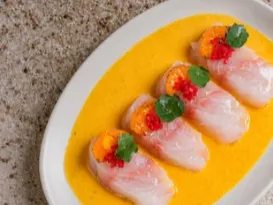
Verde, pequeno e de formato achatado, o cambuci entra na época e chega à @polvomarisqueria levando o sabor da Mata Atlântica aos peixes da costa do Rio.c
Green, small, and flattened in shape, the cambuci fruit is now in season and arriving at @polvomarisqueria, bringing the flavors of the Atlantic Forest to fish from the Rio coast.
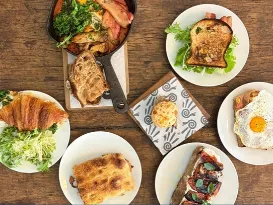
Almoço entre 5h e 8h da manhã? Era nesse horário que, no Rio de Janeiro do início do século XIX, se fazia a refeição que hoje conhecemos como almoço, servida ao meio-dia.
Lunch between 5 a.m. and 8 a.m.? That was the hour when, in early nineteenth-century Rio de Janeiro, ‘cariocas’ ate the meal we now know as lunch, which is served at noon today.