Home
Instituto
Institute
Restaurantes
Restaurants
Novidades
News
Territórios
Territories
Educação
Education
Produtos
Products
Conecte-se
Contact
EN
Navegue por categoria
Browse by category
Cardápios
Menus
Estabelecimentos
Establishments
Bairros
Neighborhoods
Municípios
Municipalities
Influências
Influences
Identidade carioca (em construção)
Carioca identity (under construction)
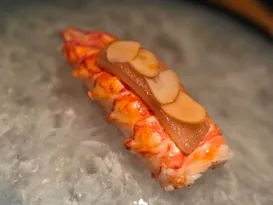
A castanha de sapucaia, árvore nativa da Mata Atlântica, está na época. Tem um perfume aberto, quase floral e cítrico. Na boca, vem com notas terrosas, meio banana, meio maçã.
The sapucaia nut, from a tree native to the Atlantic Forest, is in season. It has a bright, almost floral and citrusy aroma. On the palate, it brings earthy notes, somewhere between banana and apple.
continuar lendo
read more
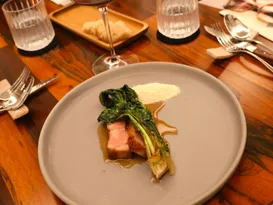
A copa lombo, corte do porco cheio de marmoreio que torna a carne macia e úmida, vinha com o seu caldo cheio de colágeno, de estalar os lábios. A chicória fazia contraponto à gordura e a farofa de mandioca mais etérea do mundo, vinha polvilhada ali.
The pork collar, a richly marbled cut that makes the meat tender and moist, was served with its own collagen-packed, lip-smacking jus. The chicory cut through the richness of the fat, and the most ethereal cassava farofa in the world was sprinkled over the top.
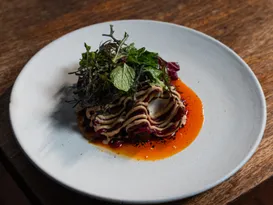
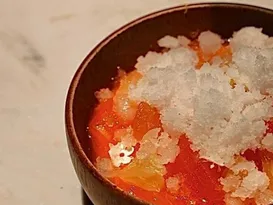
No auge do sabor, a beterraba ganha destaque no menu do Lilia com cebolas pérola na brasa, coalhada, tahini branco e crocantes de chilli.
At the peak of flavor, beetroot takes center stage on Lilia's menu with grilled pearl onions, curd, white tahini, and crispy chili.
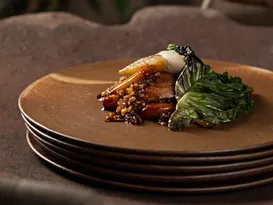
A cozinha sazonal da chef Lydia Gonzalez resgata sabores da gastronomia de montanha da serra fluminense.
Chef Lydia Gonzalez's seasonal cuisine revives the flavors of the mountain gastronomy of the Serra Fluminense.
Conceito japonês inspira pratos sazonais nos restaurantes de Rafa Costa e Silva e Roberta Sudbrack. Cardápios celebram o auge do ingrediente na contagem regressiva para o fim do outono.
Japanese concept inspires seasonal dishes at the restaurants of Rafa Costa e Silva and Roberta Sudbrack. Menus celebrate the peak of the ingredient in the countdown to the end of autumn.
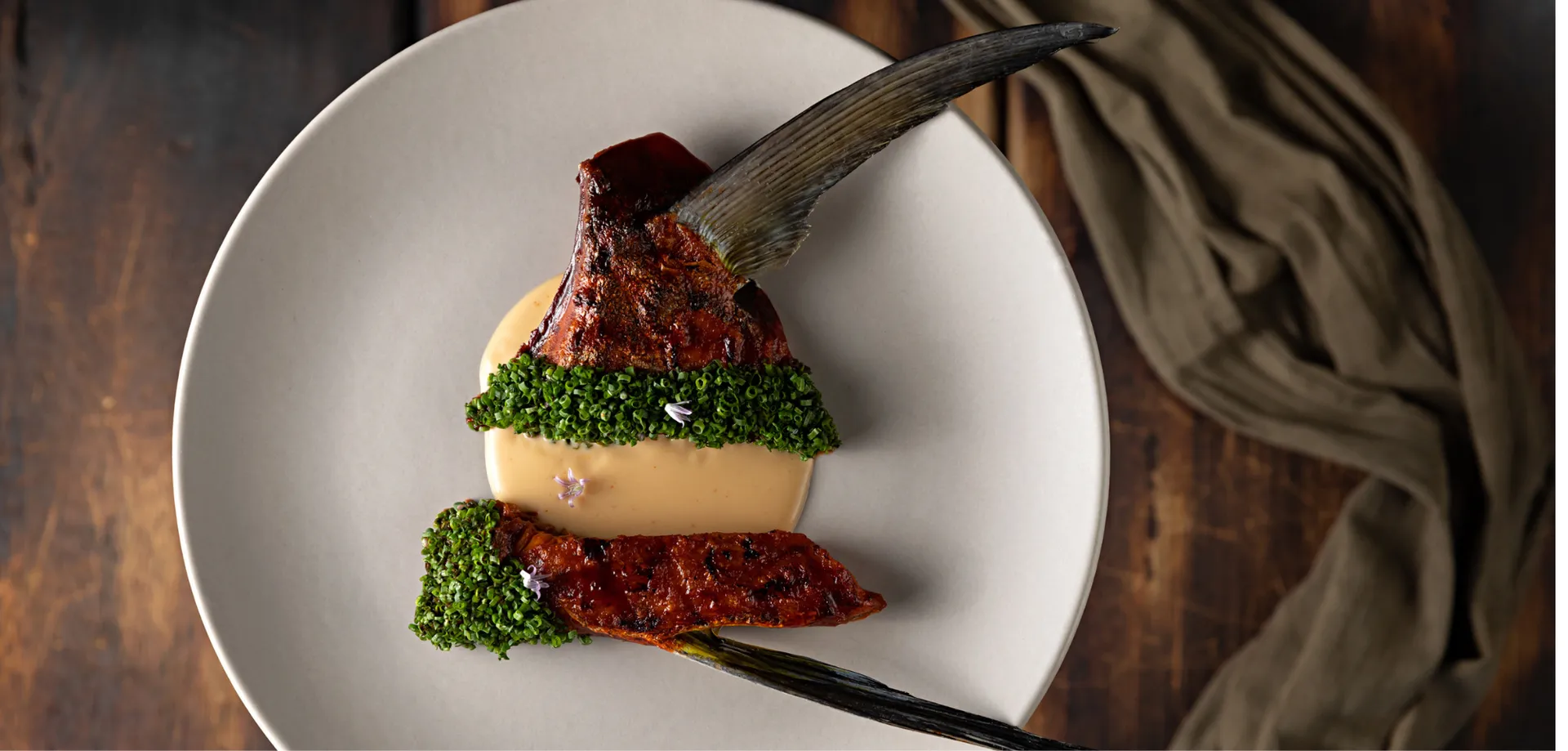
O chef Gerônimo Athuel explica como a cozinha do mar no Ocyá trabalha com qualidade e os ciclos naturais do litoral brasileiro.
Chef Gerônimo Athuel explains how the seafood cuisine at Ocyá works with quality and the natural cycles of the Brazilian coast.