Home
Instituto
Institute
Restaurantes
Restaurants
Novidades
News
Territórios
Territories
Educação
Education
Produtos
Products
Conecte-se
Contact
EN
Navegue por categoria
Browse by category
Cardápios
Menus
Estabelecimentos
Establishments
Bairros
Neighborhoods
Municípios
Municipalities
Influências
Influences
Identidade carioca (em construção)
Carioca identity (under construction)
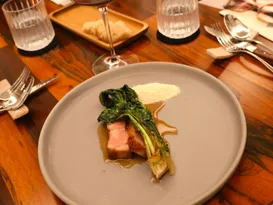
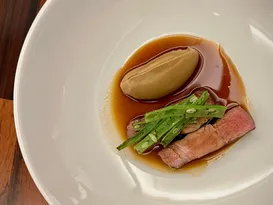
A copa lombo, corte do porco cheio de marmoreio que torna a carne macia e úmida, vinha com o seu caldo cheio de colágeno, de estalar os lábios. A chicória fazia contraponto à gordura e a farofa de mandioca mais etérea do mundo, vinha polvilhada ali.
The pork collar, a richly marbled cut that makes the meat tender and moist, was served with its own collagen-packed, lip-smacking jus. The chicory cut through the richness of the fat, and the most ethereal cassava farofa in the world was sprinkled over the top.
continuar lendo
read more
O produto ganha as mesas da alta gastronomia carioca ao resgatar a identidade local. Uma charcutaria que investe na gordura do porco nativo e no sabor das especiarias da Mata Atlântica.
The product is gaining popularity on the tables of Rio de Janeiro's high-end restaurants by reclaiming local identity. It's a charcuterie that invests in the fat of native pigs and the flavors of spices from the Atlantic Forest.
Após estrear como um restaurante de menu degustação e mercearia de produtos artesanais em um pequeno e charmoso espaço na Rua das Laranjeiras, o Trégua ganhou novo endereço: agora ocupa a cobertura do espaço cultural Telhado, ainda no mesmo bairro tranquilo e residencial, que no tempo da Côrte abrig
After debuting as a tasting menu restaurant and artisanal grocery store in a small, charming space on Rua das Laranjeiras, Trégua has moved to a new location: it now occupies the rooftop of the Telhado cultural space, still in the same quiet, residential neighborhood that, during the Court's era, ho
Às vésperas da chegada da família real, o censo de 1793 nos conta que São Sebastião do Rio de Janeiro tinha 17 casas de pasto (as precursoras dos restaurantes), 40 “casas de café” e 344 tabernas, mas todas confinadas ao centro da cidade para dar de comer e beber aos viajantes, profissionais liberais
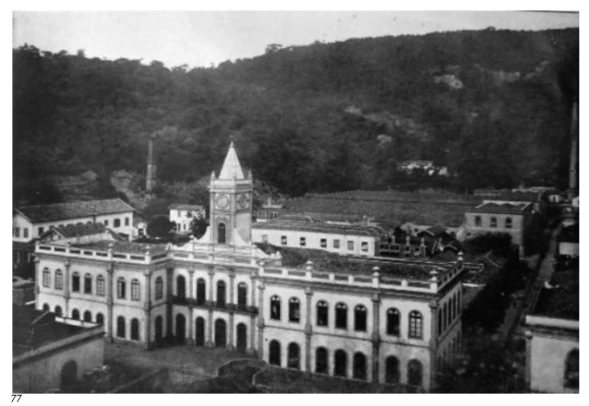
In that valley, life was made of the ups and downs of ox carts bordering the river. The history of the street is inseparable from the Carioca River—the city's main source of fresh water until the end of the Empire—since the street's design was sculpted by the trails and paths that bordered its...
O Trégua está no Telhado, como já contamos por aqui, numa cobertura linda e gigantesca, ocupada por obras de arte e eventuais eventos musicais.
Trégua is on the Rooftop, as we’ve mentioned before, in a beautiful and gigantic penthouse, filled with artworks and occasional musical events.
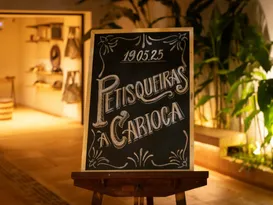
Você já ouviu falar nas “petisqueiras”? Pode-se até pensar em petiscos, mas petisqueira eram sinônimo de “iguarias”, “coisas deliciosas”. Foram o primeiro “ensaio” de uma gastronomia genuinamente carioca. O primeiro registro que encontramos foi “A Petisqueira do Catete”, que surgiu em 1850, no...
Have you ever heard of “petisqueiras”? You might think of them as snacks, but petisqueiras were synonymous with “delicacies”, “delicious things”. They were the first “test” of a genuinely Carioca cuisine. The first record we found was “A Petisqueira do Catete”, which opened in 1850, in the...