Home
Instituto
Institute
Restaurantes
Restaurants
Novidades
News
Territórios
Territories
Educação
Education
Produtos
Products
Conecte-se
Contact
EN
Navegue por categoria
Browse by category
Cardápios
Menus
Estabelecimentos
Establishments
Bairros
Neighborhoods
Municípios
Municipalities
Influências
Influences
Identidade carioca (em construção)
Carioca identity (under construction)
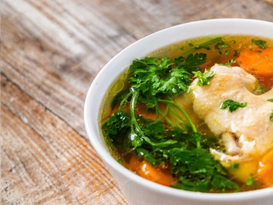
Canja. Caldo, arroz, galinha. Prato simples, mas com temperos históricos, uma das poucas sopas que o Brasil manteve em seu cardápio, consumido avidamente, por ricos ou pobres, ao longo dos dois últimos séculos, apesar de todo o calor tropical.
Canja. Broth, rice, chicken. A simple dish, but with historical seasonings, one of the few soups that Brazil has maintained on its menu, consumed avidly by rich and poor alike throughout the last two centuries, despite all the tropical heat.
continuar lendo
read more
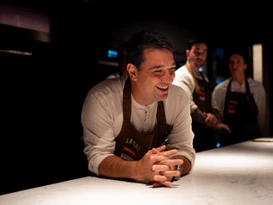
Comandado por Rafa Costa e Silva, o Lasai é hoje a maior referência contemporânea da alta gastronomia no Rio de Janeiro. Instalado no tranquilo Largo dos Leões, em Botafogo, o bairro mais gastronômico do Rio de Janeiro, o ambiente é projetado para que a comida seja o foco.
Led by Rafa Costa e Silva, Lasai is today the leading contemporary reference in haute cuisine in Rio de Janeiro. Located in the tranquil Largo dos Leões, in Botafogo, Rio de Janeiro's most gastronomic neighborhood, the ambiance is designed to make the food the focus.
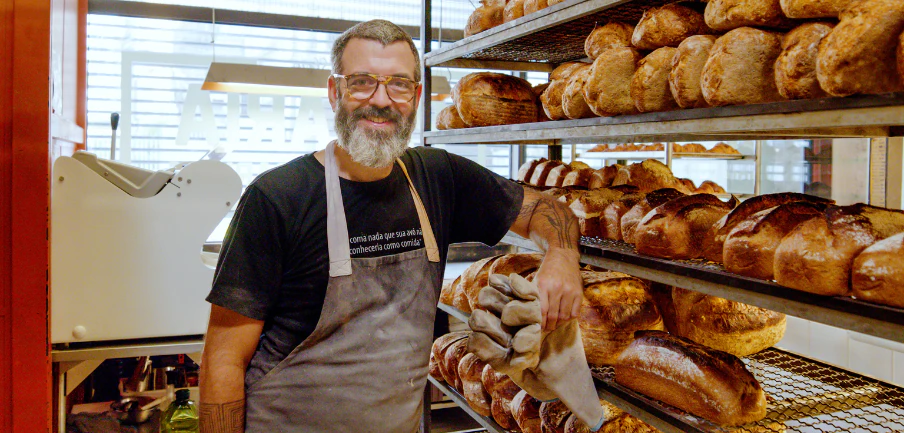
Numa rua improvável de Botafogo, que mistura um comércio confuso, oficinas, prédios residenciais e um estacionamento, se avista uma ampla vitrine de vidro. O antigo cortiço que, agora, ganha ares industriais, é a maior referência de padaria artesanal na cidade: a Slow Bakery...
On an unlikely street in Botafogo, a mix of chaotic shops, workshops, residential buildings, and a parking lot, a large glass storefront can be seen. The former tenement, now taking on an industrial air, is the city's premier artisan bakery: Slow Bakery...
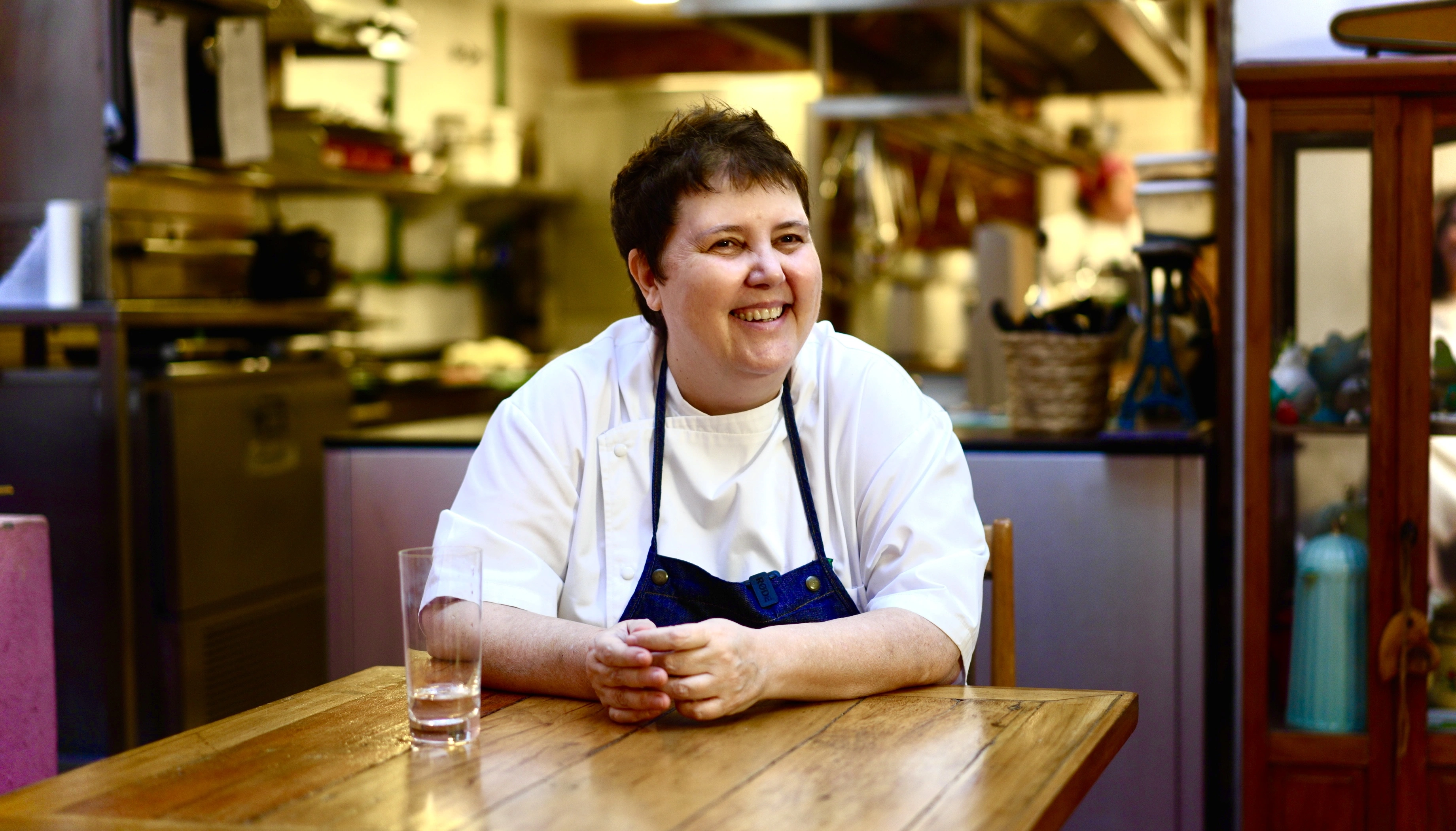
Em algum lugar da memória, existe a lembrança da “comida de avó”, a sensação de aconchego de estar na casa de alguém que pensou na refeição como um abraço. O Sud, o Pássaro Verde, de Roberta Sudbrack, é exatamente isso.
Somewhere in our memory, we can recall “grandmother’s food”, the cozy feeling of being in the home of someone who thought of the meal as a hug. Roberta Sudbrack’s Sud, o Pássaro Verde (Sud, the Green Bird), is exactly that.
Frequentado, tanto por quem trabalha no bairro, como por quem cruza a cidade atrás de uma cozinha contemporânea brasileira de qualidade, o Lilia é estratégico também para quem busca as inúmeras atrações do centro histórico do Rio.
Frequented by both those who work in the neighborhood and those who cross the city in search of quality contemporary Brazilian cuisine, Lilia is also a strategic location for those seeking the many attractions of Rio's historic center.
Às vésperas da chegada da família real, o censo de 1793 nos conta que São Sebastião do Rio de Janeiro tinha 17 casas de pasto (as precursoras dos restaurantes), 40 “casas de café” e 344 tabernas, mas todas confinadas ao centro da cidade para dar de comer e beber aos viajantes, profissionais liberais
In that valley, life was made of the ups and downs of ox carts bordering the river. The history of the street is inseparable from the Carioca River—the city's main source of fresh water until the end of the Empire—since the street's design was sculpted by the trails and paths that bordered its...