Home
Instituto
Institute
Restaurantes
Restaurants
Novidades
News
Territórios
Territories
Educação
Education
Produtos
Products
Conecte-se
Contact
EN
Navegue por categoria
Browse by category
Cardápios
Menus
Estabelecimentos
Establishments
Bairros
Neighborhoods
Municípios
Municipalities
Influências
Influences
Identidade carioca (em construção)
Carioca identity (under construction)
Após estrear como um restaurante de menu degustação e mercearia de produtos artesanais em um pequeno e charmoso espaço na Rua das Laranjeiras, o Trégua ganhou novo endereço: agora ocupa a cobertura do espaço cultural Telhado, ainda no mesmo bairro tranquilo e residencial, que no tempo da Côrte abrig
After debuting as a tasting menu restaurant and artisanal grocery store in a small, charming space on Rua das Laranjeiras, Trégua has moved to a new location: it now occupies the rooftop of the Telhado cultural space, still in the same quiet, residential neighborhood that, during the Court's era, ho
continuar lendo
read more
Comandado por Rafa Costa e Silva, o Lasai é hoje a maior referência contemporânea da alta gastronomia no Rio de Janeiro. Instalado no tranquilo Largo dos Leões, em Botafogo, o bairro mais gastronômico do Rio de Janeiro, o ambiente é projetado para que a comida seja o foco.
Led by Rafa Costa e Silva, Lasai is today the leading contemporary reference in haute cuisine in Rio de Janeiro. Located in the tranquil Largo dos Leões, in Botafogo, Rio de Janeiro's most gastronomic neighborhood, the ambiance is designed to make the food the focus.
Frequentado, tanto por quem trabalha no bairro, como por quem cruza a cidade atrás de uma cozinha contemporânea brasileira de qualidade, o Lilia é estratégico também para quem busca as inúmeras atrações do centro histórico do Rio.
Frequented by both those who work in the neighborhood and those who cross the city in search of quality contemporary Brazilian cuisine, Lilia is also a strategic location for those seeking the many attractions of Rio's historic center.
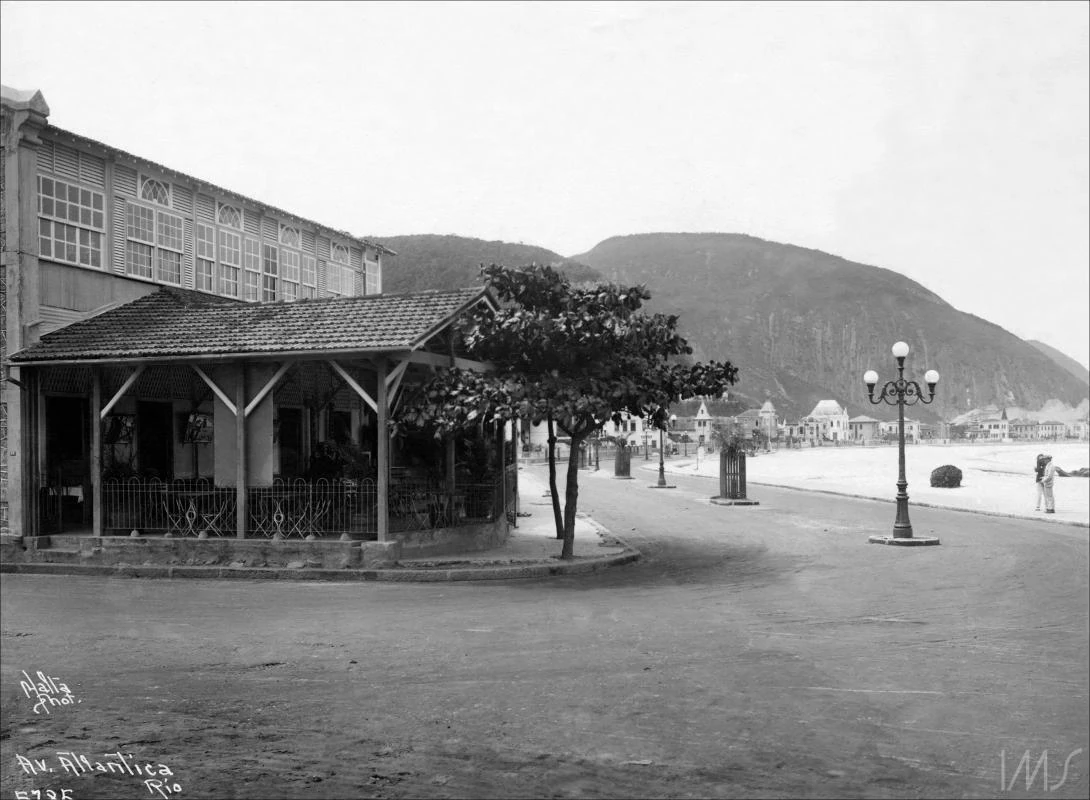
Por falar em personalidades, o presidente Washington Luis, quando foi deposto e preso no forte de Copacabana, em 1930, pedia todas as suas refeições de lá. No mesmo ano, no entanto, o restaurante entraria em falência e viraria, em seguida, o Cassino Atlântico, depois a TV Rio, um shopping center
“The ladies would pass by my grocery store in the Market, giving me angry looks, because I demeaned the white color.” The restaurant that was the first hot spot of Copacabana, opened in 1902, it was right in front of where today is the Z-13 fishing colony, on the corner of the current Francisco Ot
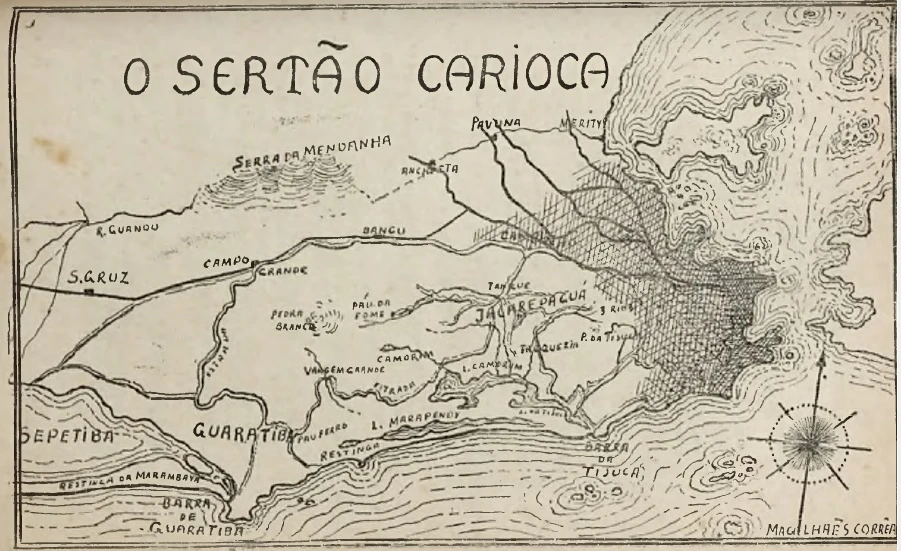
O Rio de Janeiro, quem diria, teve um Sertão pra chamar de seu. Chamada de “Sertão Carioca” até o início do século passado, a região da Barra da Tijuca e arredores foi, por séculos, uma área isolada da cidade. O que era um grande território indígena, com a chegada dos portugueses, passou...
Despite the local production, which was difficult to flow around, that part was still very rustic compared to the rest of the city. Until the 1930s, the inhabitants of Barra hunted, fished, and had small subsistence farms. These habits, today stand as a testament to the poetry of indigenous life...