Home
Instituto
Institute
Restaurantes
Restaurants
Novidades
News
Territórios
Territories
Educação
Education
Produtos
Products
Conecte-se
Contact
EN
Navegue por categoria
Browse by category
Cardápios
Menus
Estabelecimentos
Establishments
Bairros
Neighborhoods
Municípios
Municipalities
Influências
Influences
Identidade carioca (em construção)
Carioca identity (under construction)
Às vésperas da chegada da família real, o censo de 1793 nos conta que São Sebastião do Rio de Janeiro tinha 17 casas de pasto (as precursoras dos restaurantes), 40 “casas de café” e 344 tabernas, mas todas confinadas ao centro da cidade para dar de comer e beber aos viajantes, profissionais liberais
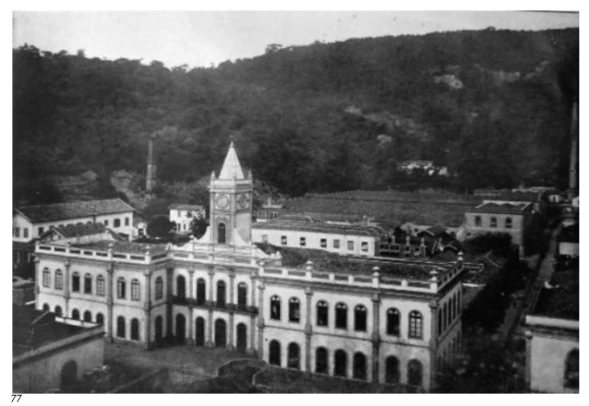
In that valley, life was made of the ups and downs of ox carts bordering the river. The history of the street is inseparable from the Carioca River—the city's main source of fresh water until the end of the Empire—since the street's design was sculpted by the trails and paths that bordered its...
continuar lendo
read more
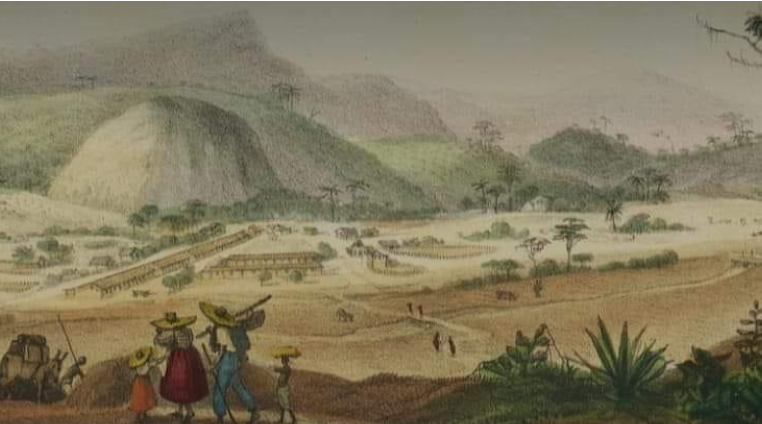
Em meados do século XIX, Nova Friburgo tornou-se importante exportadora de banha para a capital. Antes da geladeira, a banha era usada para conservar alimentos, de feijões e legumes a carnes. Em 1887, o Jornal do Commercio destaca os produtos da Fazenda Gavião, do Barão de Nova Friburgo, como “touci
In that same region, in Itaipava, the Faraona restaurant structured its concept around the cultivation of vegetables and legumes, the raising of goats and piglets, and the use of guinea fowl—or "faraonas," as they are called in Italian—a bird traditionally raised in the mountains. The concise menu i
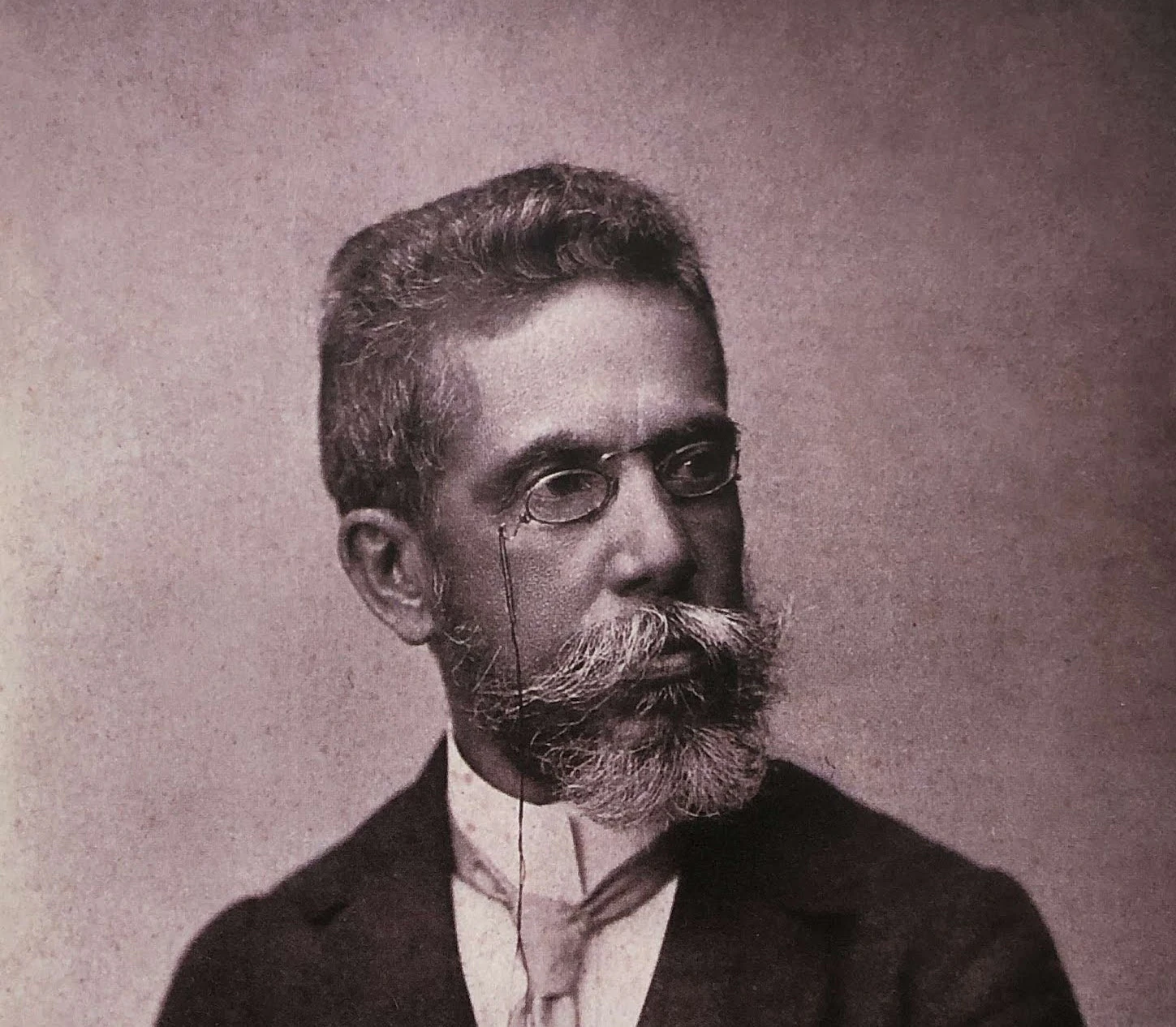
Em 1901, Machado de Assis organiza, em Laranjeiras, uma série de almoços e confraternizações que reuniriam uma seleção de intelectuais e acadêmicos. Ele mesmo batizou o grupo com o sugestivo nome de “Panelinha”, de duplo sentido, tanto pela refeição como pelo grupo off-Academia, com integrantes da r
In 1901, Machado de Assis organized a series of lunches and gatherings that would bring together a selection of intellectuals and academics in Laranjeiras. He himself named the group suggestively by the name of "Panelinha".