Home
Instituto
Institute
Restaurantes
Restaurants
Novidades
News
Territórios
Territories
Educação
Education
Produtos
Products
Conecte-se
Contact
EN
Navegue por categoria
Browse by category
Cardápios
Menus
Estabelecimentos
Establishments
Bairros
Neighborhoods
Municípios
Municipalities
Influências
Influences
Identidade carioca (em construção)
Carioca identity (under construction)
Às vésperas da chegada da família real, o censo de 1793 nos conta que São Sebastião do Rio de Janeiro tinha 17 casas de pasto (as precursoras dos restaurantes), 40 “casas de café” e 344 tabernas, mas todas confinadas ao centro da cidade para dar de comer e beber aos viajantes, profissionais liberais
In that valley, life was made of the ups and downs of ox carts bordering the river. The history of the street is inseparable from the Carioca River—the city's main source of fresh water until the end of the Empire—since the street's design was sculpted by the trails and paths that bordered its...
continuar lendo
read more
A dieta vegetariana do século XIX, no Rio de Janeiro, se inspirava no modelo inglês da Vegetarian Society e seus 3.000 sócios. Não pregava apenas “não matar animais”. Num artigo do Auxiliador da Indústria Nacional, de 1861, a “seita dos legumistas” implicava também em não juntar sal ou especiarias a
In the last century, in the 1970s, the so-called "natural" food movement in Rio and vegetarianism had a lot of overlap. Not surprisingly, the natural sandwich, a staple of the health-conscious generation's diet, became associated with the culture of outdoor sports, such as hang gliding and, especial
Por falar em personalidades, o presidente Washington Luis, quando foi deposto e preso no forte de Copacabana, em 1930, pedia todas as suas refeições de lá. No mesmo ano, no entanto, o restaurante entraria em falência e viraria, em seguida, o Cassino Atlântico, depois a TV Rio, um shopping center
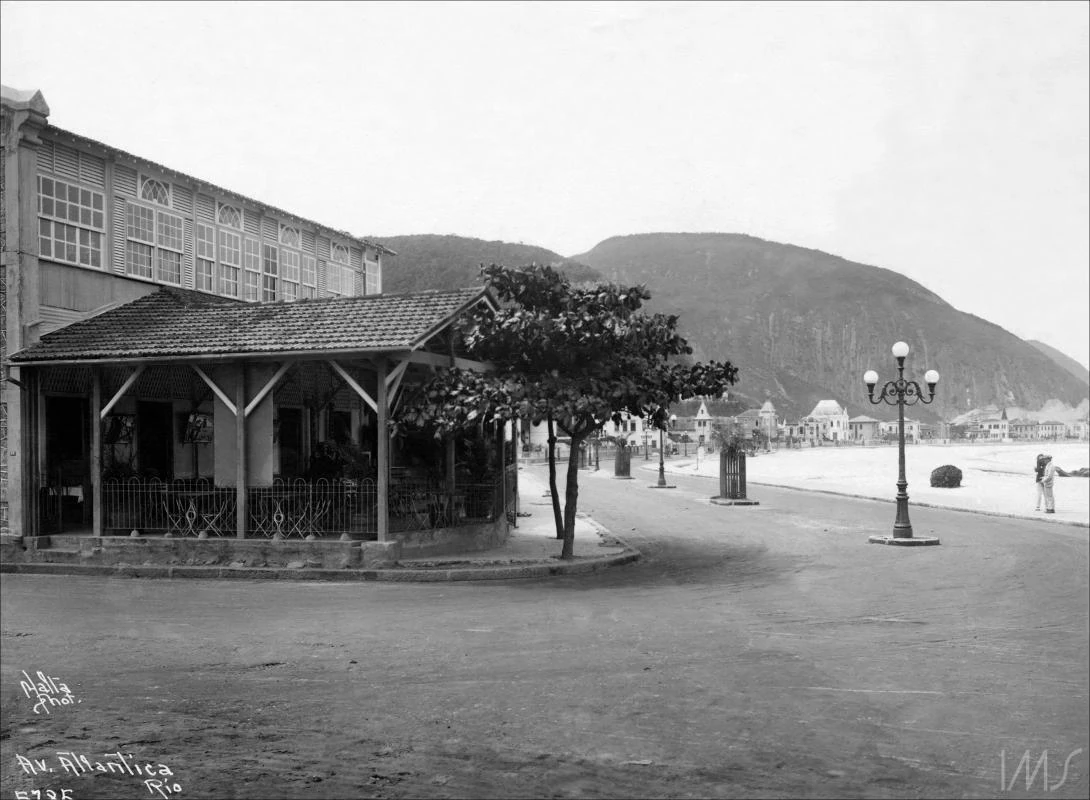
“The ladies would pass by my grocery store in the Market, giving me angry looks, because I demeaned the white color.” The restaurant that was the first hot spot of Copacabana, opened in 1902, it was right in front of where today is the Z-13 fishing colony, on the corner of the current Francisco Ot
A moda dos piqueniques-banquete no Jardim Botânico não era brincadeira: O cardápio da comissão chinesa (1885) trazia embutidos, conservas, manteiga e sardinhas, omelete com trufas, peixe com lagostins, camarões recheados, filet com champignons, arroz ao curry, maionese de lagosta...
The trend of picnic banquets in the Botanical Garden was no joke: The menu of the Chinese commission (1885) included cold cuts, preserves, butter and sardines, omelette with truffles, fish with lobster, stuffed shrimp, filet with mushrooms, curry rice, lobster mayonnaise, Brazilian turkey, York...
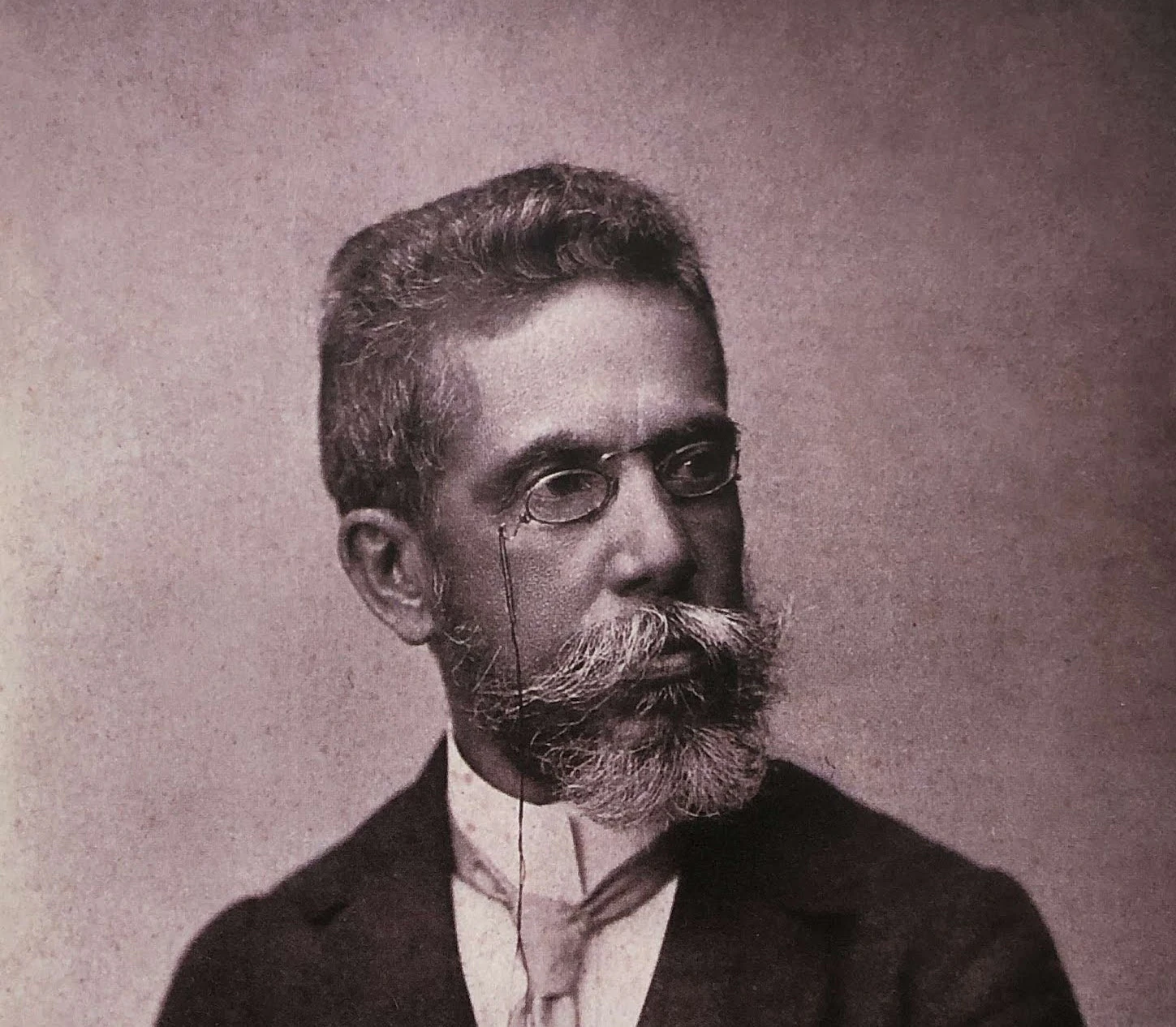
Em 1901, Machado de Assis organiza, em Laranjeiras, uma série de almoços e confraternizações que reuniriam uma seleção de intelectuais e acadêmicos. Ele mesmo batizou o grupo com o sugestivo nome de “Panelinha”, de duplo sentido, tanto pela refeição como pelo grupo off-Academia, com integrantes da r
In 1901, Machado de Assis organized a series of lunches and gatherings that would bring together a selection of intellectuals and academics in Laranjeiras. He himself named the group suggestively by the name of "Panelinha".
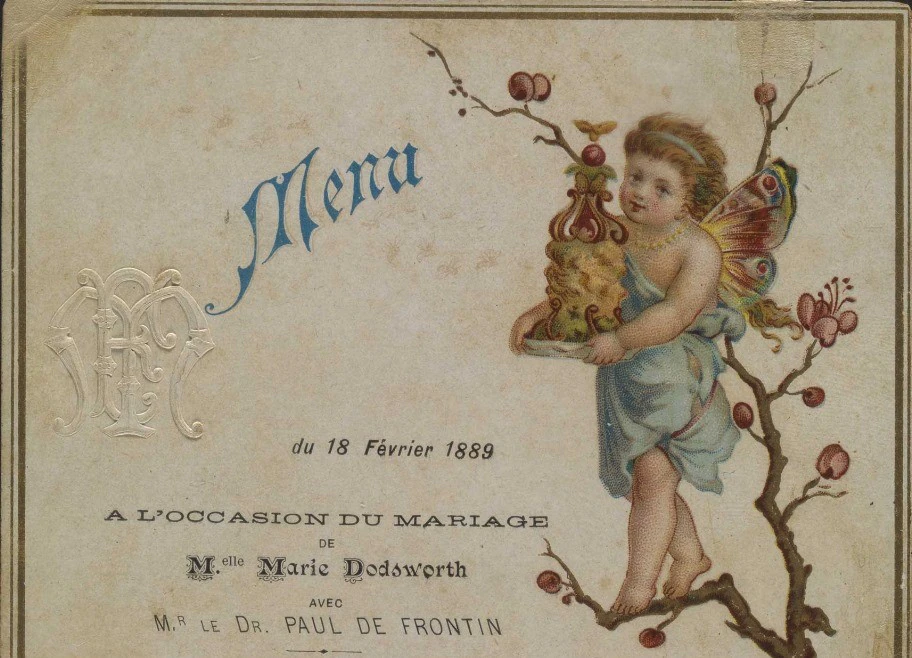
Em 1898, na Gazeta de Notícias, o menu do banquete oferecido pelo coronel Bryan Page, ministro especial dos Estados Unidos, a Dionnysio Cerqueira, ministro das Relações Exteriores, no Hotel Continental, em Laranjeiras: hors d'œuvre d'office, sardines, pate de foie gras, olives, beurre, conserves...
In Jornal do Brasil, the menu of the “banquet for Mr. Guilherme Ferrero in Hotel Alexandra”: Consommé, Xerez, Potage Bisque, Merveilles de Crevettes. Chateau Iquem, Garoupa á la Normande. Pommard. Chartreuse de Inhambús, Patés de Strasbourg en Gelée. Punch Plombiére. Château Lafitte, Asperges Sauce.