Home
Instituto
Institute
Restaurantes
Restaurants
Territórios
Territories
Educação
Education
Conecte-se
Contact
EN
{"time":1752522019940,"blocks":[{"type":"paragraph","data":{"text":"Breno Furtado, owner of the Charcutaria Porco Alado, in Nova Friburgo, received support from the Instituto Bazzar in the process of obtaining the Selo Arte for his first 15 products"}}],"version":"2.18.0"}
continuar lendo
read more
{"time":1752086972527,"blocks":[{"type":"paragraph","data":{"text":"In 1918, one of the most popular magazines in Rio at the time, “Fon-Fon”, dedicated an entire page to covering a vegetarian banquet, which was a big novelty at the time."}}],"version":"2.18.0"}
{"time":1750610536337,"blocks":[{"type":"paragraph","data":{"text":"Angá, by chef Lydia Gonzalez, is an example of sophisticated cuisine made from organic and agroforestry ingredients. The tasting menu is served in a cozy atmosphere, surrounded by the Atlantic Forest of Petrópolis."}}],"version":"2.18.0"}
{"time":1750276507956,"blocks":[{"type":"paragraph","data":{"text":"When Brazil belonged to the Portuguese Empire, the people of Rio had two habits at their table: The first was to drink coffee and tea. The second was to drink coffee and tea with cookies and biscuits. Bakeries contributed greatly to this habit."}}],"version":"2.18.0"}
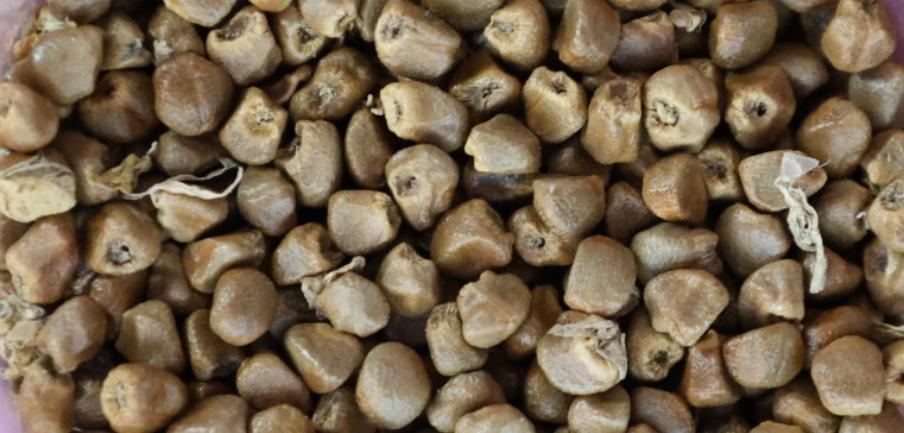
{"time":1749736161873,"blocks":[{"type":"paragraph","data":{"text":"The leaves and seeds of pacová bring intense and unmistakable flavor and aroma. Sometimes referred to as “Brazilian cardamom,” pacová is used to season dishes and prepare beverages, including coffee."}}],"version":"2.18.0"}
{"time":1748786016919,"blocks":[{"type":"paragraph","data":{"text":"Everything you see and read here is behind the fish we eat. The diet of the people of Rio de Janeiro, long before the arrival of the colonizers, was that of the Tamoio Indians. Let's take the opportunity that it's mullet season to talk about sustainable fishing."}}],"version":"2.18.0"}
Navegue por categoria
Browse by category
Ingredientes
Ingredients