Home
Instituto
Institute
Restaurantes
Restaurants
Novidades
News
Territórios
Territories
Educação
Education
Produtos
Products
Conecte-se
Contact
EN
Navegue por categoria
Browse by category
Cardápios
Menus
Estabelecimentos
Establishments
Bairros
Neighborhoods
Municípios
Municipalities
Influências
Influences
Identidade carioca (em construção)
Carioca identity (under construction)
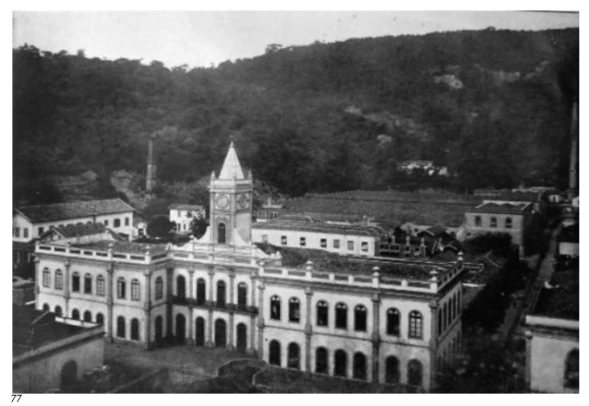
Às vésperas da chegada da família real, o censo de 1793 nos conta que São Sebastião do Rio de Janeiro tinha 17 casas de pasto (as precursoras dos restaurantes), 40 “casas de café” e 344 tabernas, mas todas confinadas ao centro da cidade para dar de comer e beber aos viajantes, profissionais liberais
In that valley, life was made of the ups and downs of ox carts bordering the river. The history of the street is inseparable from the Carioca River—the city's main source of fresh water until the end of the Empire—since the street's design was sculpted by the trails and paths that bordered its...
continuar lendo
read more
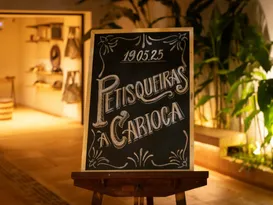
Você já ouviu falar nas “petisqueiras”? Pode-se até pensar em petiscos, mas petisqueira eram sinônimo de “iguarias”, “coisas deliciosas”. Foram o primeiro “ensaio” de uma gastronomia genuinamente carioca. O primeiro registro que encontramos foi “A Petisqueira do Catete”, que surgiu em 1850, no...
Have you ever heard of “petisqueiras”? You might think of them as snacks, but petisqueiras were synonymous with “delicacies”, “delicious things”. They were the first “test” of a genuinely Carioca cuisine. The first record we found was “A Petisqueira do Catete”, which opened in 1850, in the...
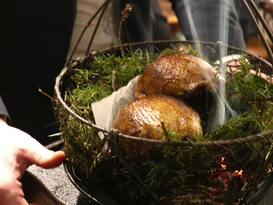
A vinda da Côrte Portuguesa para o Brasil trouxe um hábito, no prato: o de comer aves de caça. No Rio de Janeiro, entre o fim do século XIX e o início do XX, macucos, inhambús, e também perus, desfilavam nos cardápios mais nobres, sobretudo em Laranjeiras, então reduto elegante de veraneio.
The arrival of the Portuguese Court in Brazil brought a custom to the table: eating game birds. In Rio de Janeiro, between the late 19th and early 20th centuries, tinamous, small-billed tinamous, and also turkeys, were on the finest menus, especially in Laranjeiras, then an elegant summer retreat.
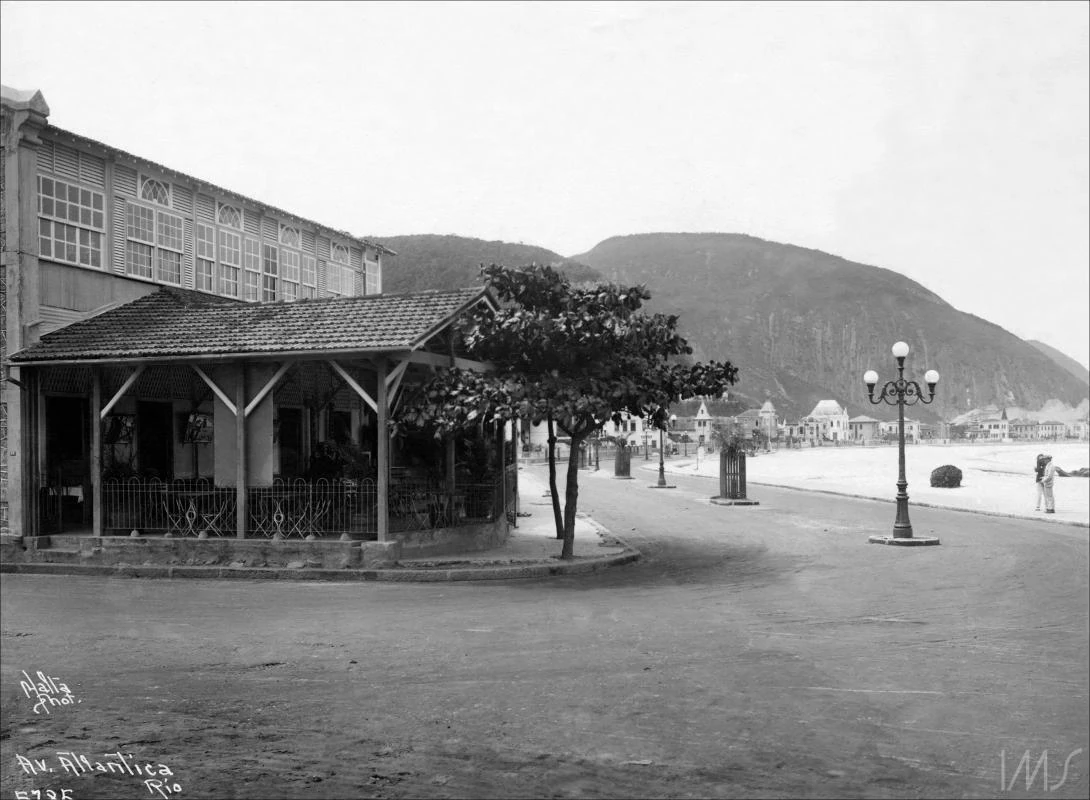
Por falar em personalidades, o presidente Washington Luis, quando foi deposto e preso no forte de Copacabana, em 1930, pedia todas as suas refeições de lá. No mesmo ano, no entanto, o restaurante entraria em falência e viraria, em seguida, o Cassino Atlântico, depois a TV Rio, um shopping center
“The ladies would pass by my grocery store in the Market, giving me angry looks, because I demeaned the white color.” The restaurant that was the first hot spot of Copacabana, opened in 1902, it was right in front of where today is the Z-13 fishing colony, on the corner of the current Francisco Ot