Home
Instituto
Institute
Restaurantes
Restaurants
Novidades
News
Territórios
Territories
Educação
Education
Produtos
Products
Conecte-se
Contact
EN
Navegue por categoria
Browse by category
Cardápios
Menus
Estabelecimentos
Establishments
Bairros
Neighborhoods
Municípios
Municipalities
Influências
Influences
Identidade carioca (em construção)
Carioca identity (under construction)
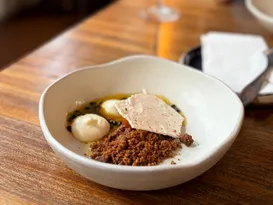
Frescor, precisão e sabor. O novo menu de Verão do Lilia (@lilia.restaurante) vem com alho-poró tostado, queijo de cabra, crocante de linhaça, manjericão-roxo e mel de mandaçaia nativa. Uma fina fatia de lardo da Porco Alado (@charcutariaporcoalado) se desfaz sobre o prato, ainda quente.
Freshness, precision, and flavor. The new Summer menu at Lilia (@lilia.restaurante) features charred leek, goat cheese, flaxseed crunch, purple basil, native mandaçaia honey. A thin slice of lardo from Porco Alado (@charcutariaporcoalado) that melts over the still-warm dish.
continuar lendo
read more
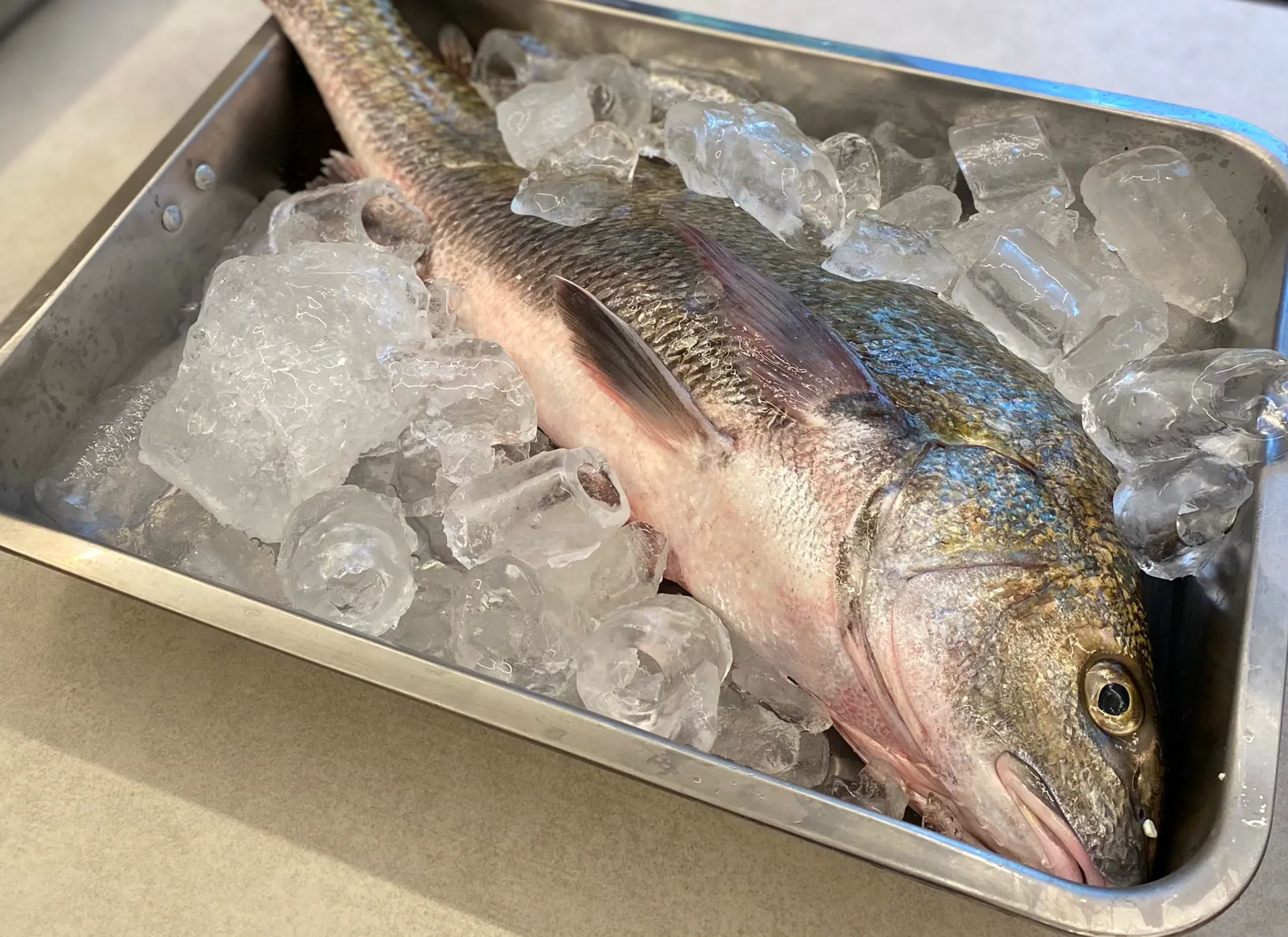
Também conhecida por piraúna ou “corvina da boca torta”, a perumbeba tem carne branca, firme e filé bem definido, com poucas espinhas. Por se alimentar de siris, caranguejos e camarões no fundo da lagoa, tem sabor e aroma intensos.
Also known as piraúna or "crooked-mouthed corvina," the perumbeba has white, firm flesh and a well-defined fillet with few bones. Because it feeds on crabs, shrimp, and blue crabs at the bottom of the lagoon, it has an intense flavor and aroma.
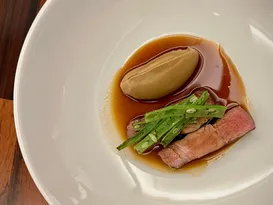
O Trégua está no Telhado, como já contamos por aqui, numa cobertura linda e gigantesca, ocupada por obras de arte e eventuais eventos musicais.
Trégua is on the Rooftop, as we’ve mentioned before, in a beautiful and gigantic penthouse, filled with artworks and occasional musical events.
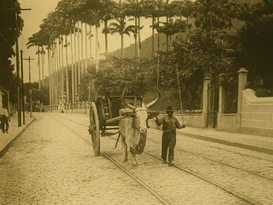
Tocava às 6hs da manhã, a buzina do leiteiro, e a venda de porta em porta era um hábito instalado no Rio de Janeiro do século XIX. Leite fresco tinha que vir de perto. Para termos uma ideia, a Botafogo de 1918, zona de chácaras elegantes, tinha mais de 200 vacas espalhadas por estábulos em torno
At 6 a.m., the milkman’s horn would sound, and door-to-door selling was already a habit in the 19th-century Rio de Janeiro. Fresh milk had to come from nearby. In 1918, the Botafogo neighborhood, for instance, was an area of elegant farms and had over 200 cows scattered among stables in the region
Sumário Executivo O presente estudo “Rio: A Capital da Gastronomia Sustentável da América Lati na”, elaborado pela Prefeitura do Rio, por meio das secretarias de Desenvolvi mento Urbano e Econômico (SMDUE) e de Turismo (SMTUR), em parceria com o Instituto Bazzar, contém dados, informações e esti...
Executive Summary The study “Rio: The Sustainable Gastronomy Capital of Latin America”, prepared by the Rio de Janeiro City Hall by the Secretaries of Urban and Economic Development (SMDUE) and Tourism (SMTUR), in partnership with Instituto Bazzar, contains data, information, and estimates...
O Rio de Janeiro, quem diria, teve um Sertão pra chamar de seu. Chamada de “Sertão Carioca” até o início do século passado, a região da Barra da Tijuca e arredores foi, por séculos, uma área isolada da cidade. O que era um grande território indígena, com a chegada dos portugueses, passou...
Despite the local production, which was difficult to flow around, that part was still very rustic compared to the rest of the city. Until the 1930s, the inhabitants of Barra hunted, fished, and had small subsistence farms. These habits, today stand as a testament to the poetry of indigenous life...