Home
Instituto
Institute
Restaurantes
Restaurants
Novidades
News
Territórios
Territories
Educação
Education
Produtos
Products
Conecte-se
Contact
EN
Navegue por categoria
Browse by category
Cardápios
Menus
Estabelecimentos
Establishments
Bairros
Neighborhoods
Municípios
Municipalities
Influências
Influences
Identidade carioca (em construção)
Carioca identity (under construction)
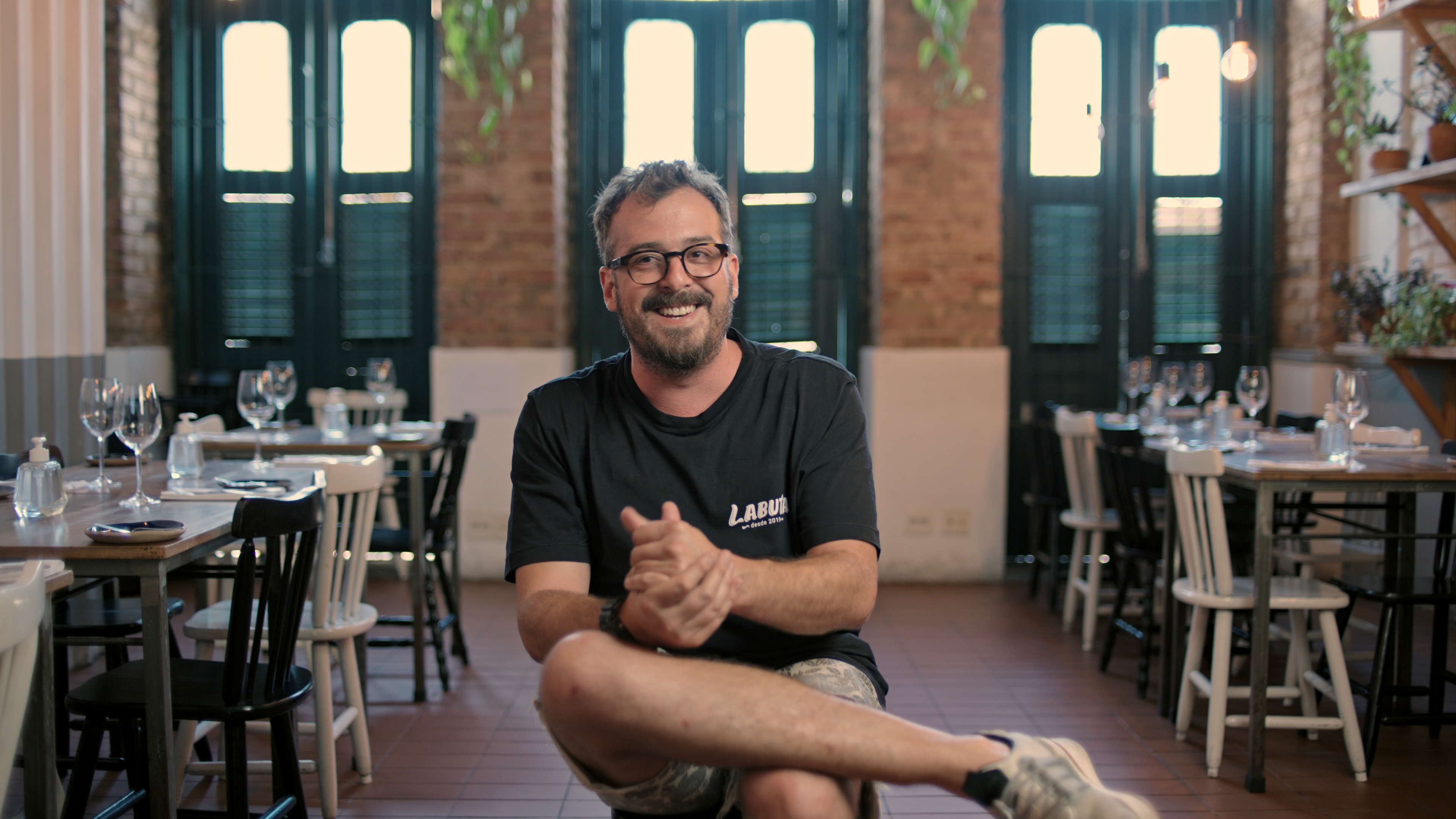
Frequentado, tanto por quem trabalha no bairro, como por quem cruza a cidade atrás de uma cozinha contemporânea brasileira de qualidade, o Lilia é estratégico também para quem busca as inúmeras atrações do centro histórico do Rio.
Frequented by both those who work in the neighborhood and those who cross the city in search of quality contemporary Brazilian cuisine, Lilia is also a strategic location for those seeking the many attractions of Rio's historic center.
continuar lendo
read more
Caju, jaboticaba ou bacuri. Nossas frutas nativas sempre fizeram sucesso como sorvetes, no Rio.
Cashew, jaboticaba or bacuri. Our native fruits have always been a hit as ice creams, ever since they became popular in Rio.
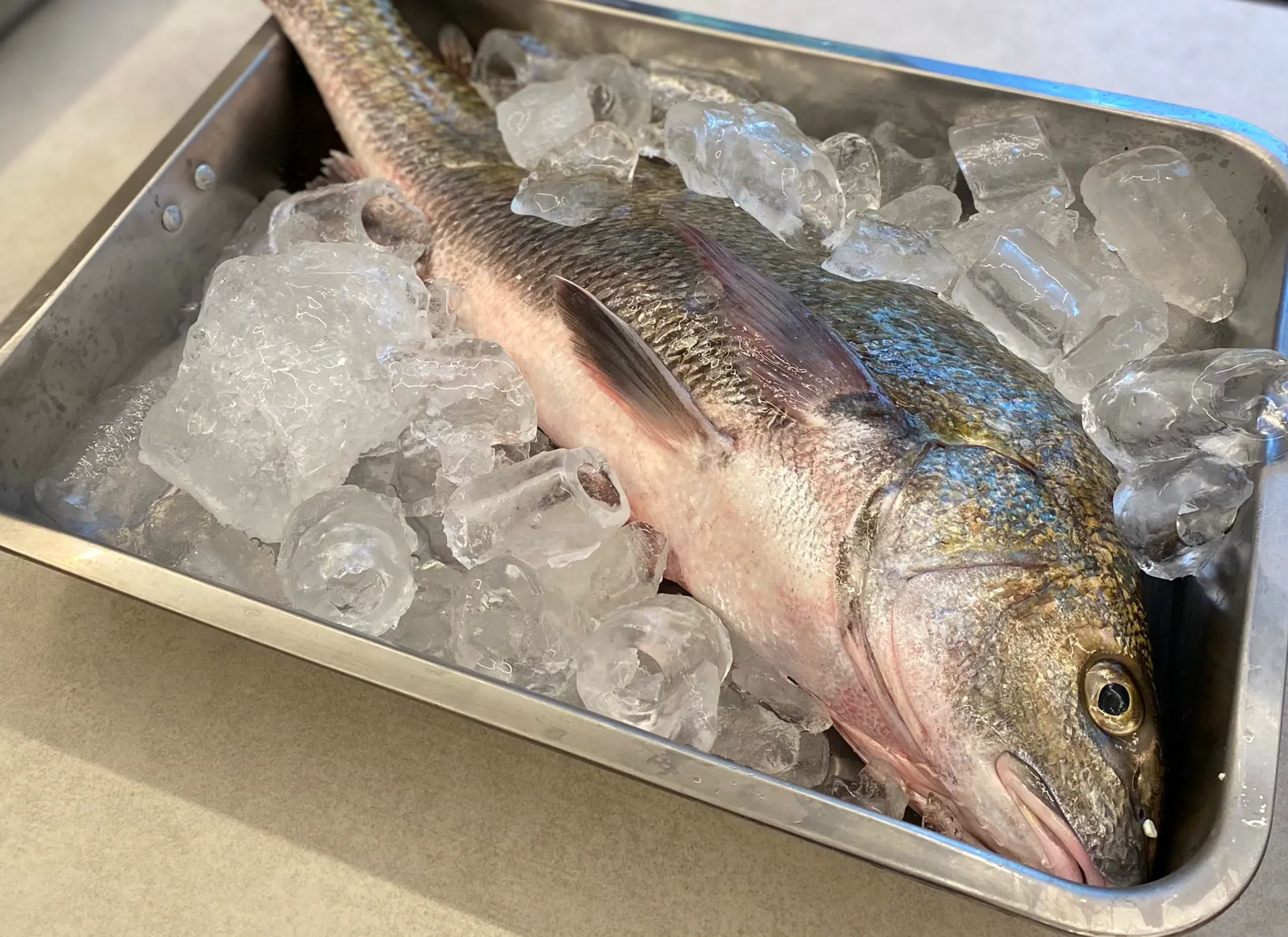
Também conhecida por piraúna ou “corvina da boca torta”, a perumbeba tem carne branca, firme e filé bem definido, com poucas espinhas. Por se alimentar de siris, caranguejos e camarões no fundo da lagoa, tem sabor e aroma intensos.
Also known as piraúna or "crooked-mouthed corvina," the perumbeba has white, firm flesh and a well-defined fillet with few bones. Because it feeds on crabs, shrimp, and blue crabs at the bottom of the lagoon, it has an intense flavor and aroma.
Você já ouviu falar nas “petisqueiras”? Pode-se até pensar em petiscos, mas petisqueira eram sinônimo de “iguarias”, “coisas deliciosas”. Foram o primeiro “ensaio” de uma gastronomia genuinamente carioca. O primeiro registro que encontramos foi “A Petisqueira do Catete”, que surgiu em 1850, no...
Have you ever heard of “petisqueiras”? You might think of them as snacks, but petisqueiras were synonymous with “delicacies”, “delicious things”. They were the first “test” of a genuinely Carioca cuisine. The first record we found was “A Petisqueira do Catete”, which opened in 1850, in the...
A vinda da Côrte Portuguesa para o Brasil trouxe um hábito, no prato: o de comer aves de caça. No Rio de Janeiro, entre o fim do século XIX e o início do XX, macucos, inhambús, e também perus, desfilavam nos cardápios mais nobres, sobretudo em Laranjeiras, então reduto elegante de veraneio.
The arrival of the Portuguese Court in Brazil brought a custom to the table: eating game birds. In Rio de Janeiro, between the late 19th and early 20th centuries, tinamous, small-billed tinamous, and also turkeys, were on the finest menus, especially in Laranjeiras, then an elegant summer retreat.
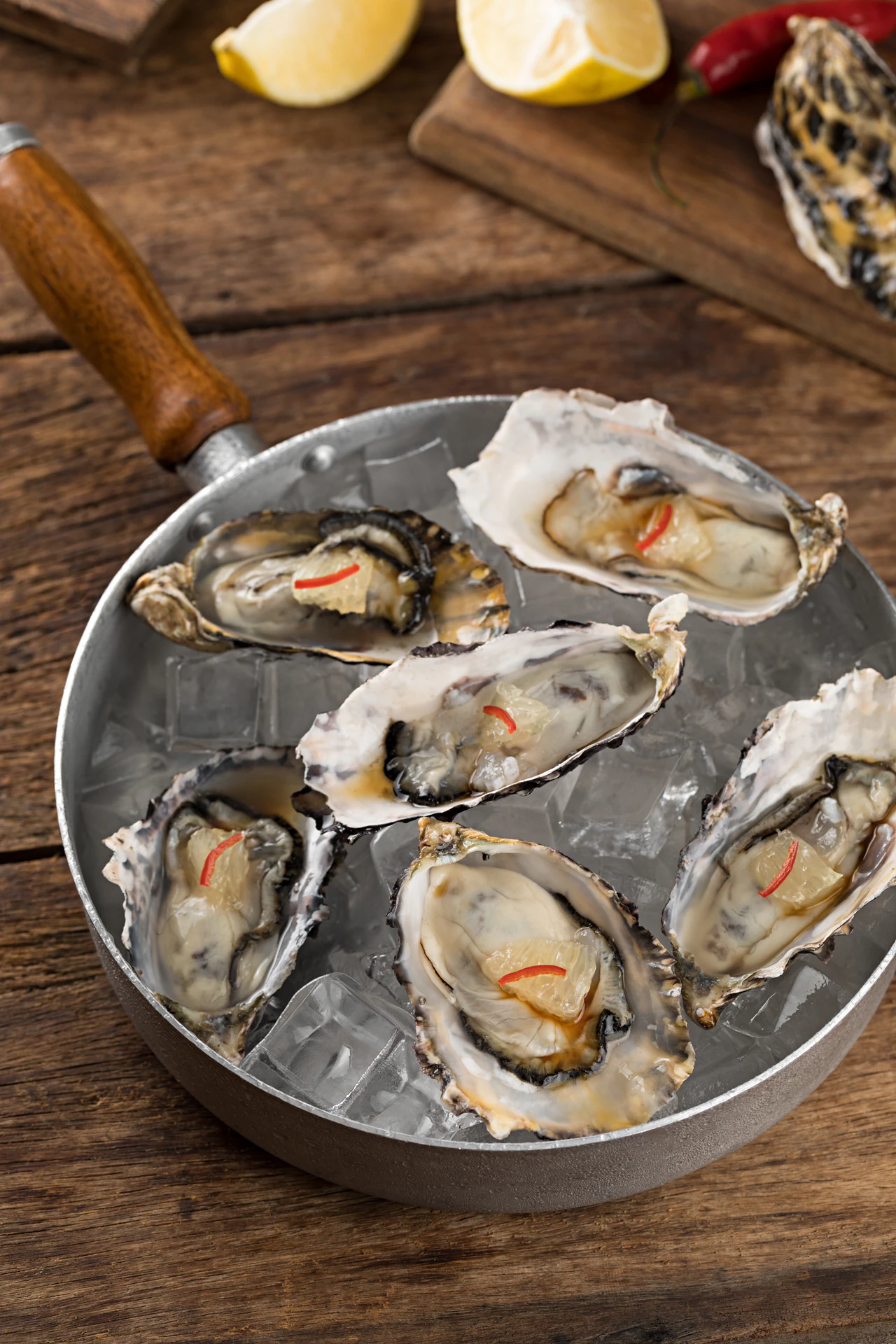
Em 1881, a moda era consumi-las com Sauternes, um dos mais renomados vinhos de sobremesa do mundo. Essa prática não poupava nem uma data lúgubre como o Dia dos Mortos como noticiou a Gazeta de Notícias em 1882. “E um amigo me afirma haver visto em certo restaurant pessoas que almoçavam ostras com
In 1881, the fashion was to consume them with Sauternes, one of the world's most renowned dessert wines. This practice spared no one, not even on a somber date like the Day of the Dead, as reported by the Gazeta de Notícias in 1882. “And a friend assures me that he saw in a certain restaurant...