Home
Instituto
Institute
Restaurantes
Restaurants
Novidades
News
Territórios
Territories
Educação
Education
Produtos
Products
Conecte-se
Contact
EN
Navegue por categoria
Browse by category
Cardápios
Menus
Estabelecimentos
Establishments
Bairros
Neighborhoods
Municípios
Municipalities
Influências
Influences
Identidade carioca (em construção)
Carioca identity (under construction)
No Ocyá (@ocya.rio), o “peixe do dia” não é discurso. Trabalhar com produtos sempre frescos envolve muita criatividade e parceria com os pescadores, como explica Gerônimo Athuel (@geronimoathuel).
At Ocyá (@ocya.rio), the “catch of the day” isn’t just talk. Working with always-fresh ingredients requires plenty of creativity and a strong partnership with the fishermen, as Gerônimo Athuel (@geronimoathuel) explains.
continuar lendo
read more
Um jantar com estranhos à mesa, menu fixo, hora marcada e reserva. Nada mais contemporâneo, diria o leitor. Mas há um detalhe histórico saboroso: a cena descrita acontecia no Rio de Janeiro do início do séc XIX.
A dinner with strangers at the table, a set menu, a scheduled time, and a reservation required. Nothing could be more contemporary, one might say. But there is a delicious historical detail: the scene described took place in Rio de Janeiro in the early nineteenth century.
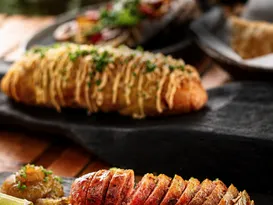
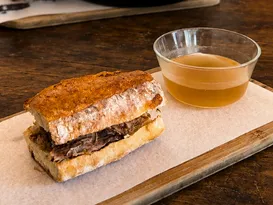
Falamos da boa e tradicional carne assada preparada com o peito bovino. É assim que o padeiro Rafa Brito (@theslowbaker) faz a sua suculenta homenagem aos assados que remetem à influência inglesa no Rio, na primeira metade do século XIX - usualmente preparados em fornos profissionais de padaria ante
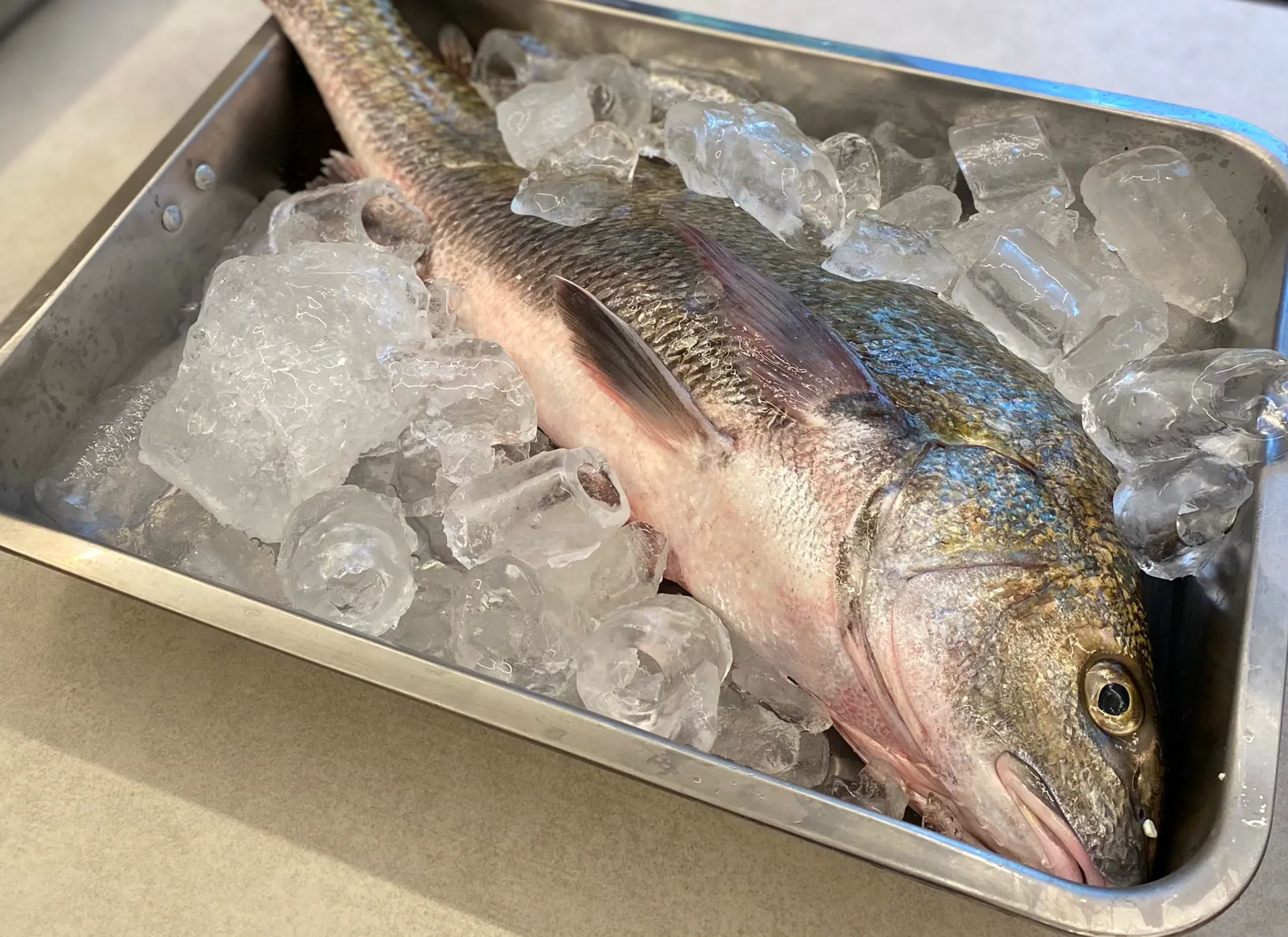
Também conhecida por piraúna ou “corvina da boca torta”, a perumbeba tem carne branca, firme e filé bem definido, com poucas espinhas. Por se alimentar de siris, caranguejos e camarões no fundo da lagoa, tem sabor e aroma intensos.
Also known as piraúna or "crooked-mouthed corvina," the perumbeba has white, firm flesh and a well-defined fillet with few bones. Because it feeds on crabs, shrimp, and blue crabs at the bottom of the lagoon, it has an intense flavor and aroma.
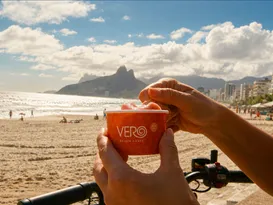
Bacupari, grumixama ou araçá-pera? Mesmo em cidades como o Rio, cercadas de praias, de clima e ambiente tropical, as gelaterias se forjaram seguindo parâmetros italianos que se baseiam no leite e no creme.
Bacupari, grumixama, or araçá-pera? Even in cities like Rio, surrounded by beaches and shaped by a tropical climate and landscape, gelaterias have largely followed Italian traditions centered on milk and cream.
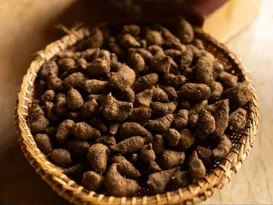
Cultivado pelos indígenas e presente na alimentação colonial, o mangarito chega no Angá Ateliê Culinário (@angaatelieculinario) a cada inverno para celebrar a cozinha de quintal da casa de Petrópolis. É a estação onde o ingrediente atinge o ponto ideal, quando o frio concentra os sabores que nascem
Cultivated by Indigenous peoples and once part of Brazil’s colonial cuisine, mangarito returns to Angá Ateliê Culinário (@angaatelieculinario) every winter to celebrate the backyard cooking that defines this Petrópolis restaurant. This is the season when the ingredient reaches its peak, as the cold