Home
Instituto
Institute
Restaurantes
Restaurants
Territórios
Territories
Educação
Education
Conecte-se
Contact
EN
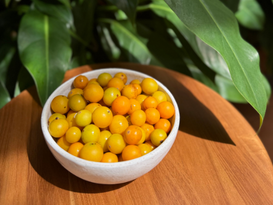
{"time":1763388074052,"blocks":[{"type":"paragraph","data":{"text":"Nice to meet you, guaquica. This little fruit, nearly extinct, was common in the backyards of Rio de Janeiro in the 19th century. It is a myrtaceae like our jaboticaba, pitanga, or guava, and can be found here and there, from Paraty to Cabo Frio."}}],"version":"2.18.0"}
continuar lendo
read more
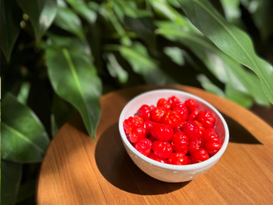
{"time":1762793287728,"blocks":[{"type":"paragraph","data":{"text":"During the 19th century, it was one of the favorite ice creams of the carioca population and also of Emperor Pedro II, who would go with the Empress to Rua Direita for their usual pitanga ice cream at the Hotel do Norte. The sign read: “Antonio Franzione, ice cream maker of Their Imperial Majesties.”"}}],"version":"2.18.0"}
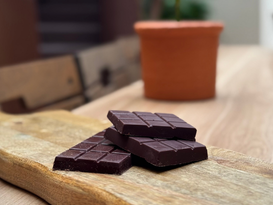
{"time":1762354088060,"blocks":[{"type":"paragraph","data":{"text":"Milk, semisweet, bittersweet, with fruits or nuts: all of Brazil consumes chocolate, but knows little about the process that can reveal dozens of aromas and flavors. "}}],"version":"2.18.0"}
{"time":1748790383239,"blocks":[{"type":"paragraph","data":{"text":"Rio de Janeiro is also a forest. Despite this, we do not consume even a third of the native or exotic fruits that grow vigorously here in the Atlantic Forest. We took advantage of the cajá-manga season to encourage its presence in the city's restaurants."}}],"version":"2.18.0"}
{"time":1745505157447,"blocks":[{"type":"paragraph","data":{"text":"I was stepping on the straw on the ground, a little crooked, turning my head away from the branches and distracted by the soft, dry rustling beneath my feet, when I saw a little sign that said: “violet, peach”."}}],"version":"2.18.0"}
{"time":1725467642413,"blocks":[{"type":"paragraph","data":{"text":"Is there specialty cocoa in Rio de Janeiro?"}}],"version":"2.18.0"}
Navegue por categoria
Browse by category
Ingredientes
Ingredients